916 Harrison St, Indianapolis, IN, 46202 Mon-Sun: 7:00 AM - 7:00 PM (317) 593-8417
(317) 593-8417
Indianapolis Commercial Roofing Systems Commercial Roofing Contractor in Indianapolis, IN work in Indianapolis, IN
Commercial Roofing Contractor in Indianapolis, IN · Indianapolis, IN

Commercial Roofing Contractor in Indianapolis, IN for Flat & Metal Roofs

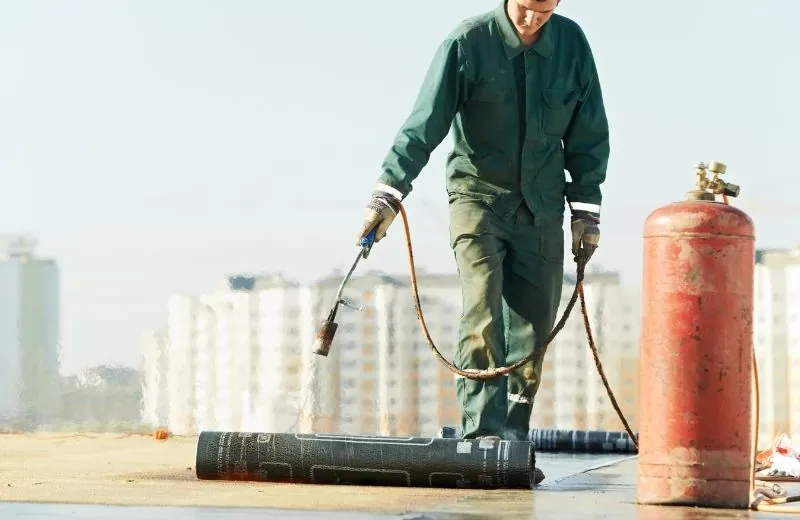
In Indianapolis, low-slope commercial roofs get hit from every direction. Summer sun pushes dark membranes past 150°F. Spring storms bring hail and derecho-force winds. Then each winter brings dozens of freeze-thaw cycles that pry open seams, flashings and drains. Most of that damage stays out of sight until a ceiling tile stains or a pallet of inventory gets soaked. Indianapolis Commercial Roofing Systems installs, repairs and maintains TPO, EPDM, modified bitumen and standing seam metal roofs on warehouses, office buildings, retail centers and industrial facilities, and we focus on finding problems before your tenants do.

  • Bonded commercial roofing contractor
  • Fully insured crews
  • Financing available for larger projects
  • Serving facilities within a 20-mile radius of Indianapolis
  • Detailed photo-documented inspection reports
  • Fast response to active leaks

Request a free estimate

No obligation. Fast, honest quotes.

🔒 Your information is never shared.

Our services

Commercial Roofing Services in Indianapolis

We cover everything from a single leaking curb to a full tear-off on a multi-acre warehouse. Every recommendation starts with what's actually happening on your roof and within your budget cycle. We won't push replacement when a repair or restoration will give you years of reliable service.

Indianapolis Commercial Roofing Systems Commercial Roofing Contractor in Indianapolis, IN project in Indianapolis, IN (2)
Featured service

Commercial Roof Repair, Leak Detection & Roof Patching

We find and permanently fix leaks on flat and low-slope roofs. That covers seam failures, punctures, flashing breaks, skylight leaks and storm damage on TPO, EPDM, modified bitumen, BUR and metal systems.

How we do it
We combine visual surveys, water testing and moisture detection to trace each leak to its true entry point. Repairs use compatible materials and primers so patches bond properly and don't cause new failures.
In Indianapolis
Freeze-thaw winters and spring hail in Indianapolis make seam and flashing repairs the most common call we get. We document every repair with photos, so property managers on Keystone or in Lawrence have records ready for owners and insurers.
Best for
Buildings with roofs that still have useful life left, isolated leaks, storm-damaged sections, and property managers who need fast, documented fixes.
Request a quote →
Indianapolis Commercial Roofing Systems Commercial Roofing Contractor in Indianapolis, IN project in Indianapolis, IN (3)
Featured service

Emergency Roof Repair, Tarping & Winter Leak Response

When water is coming in, we stabilize the roof fast with emergency tarping, temporary patches and drain clearing. That protects inventory, equipment and occupants until permanent repairs can be made.

How we do it
Crews arrive with membrane, cold-applied patching materials and tarps rated for wind. In winter, we use cold-weather products and remove ice at the leak source rather than just catching the drip.
In Indianapolis
After derecho-type winds or a late-winter thaw, warehouses in Plainfield, retail in Greenwood and offices downtown can't wait for spring. We respond quickly to active leaks across our 20-mile service area.
Best for
Active leaks over stock, server rooms, production lines, patient areas or retail floors, especially after storms or during winter thaws.
Request a quote →
Indianapolis Commercial Roofing Systems Commercial Roofing Contractor in Indianapolis, IN project in Indianapolis, IN (4)

Flat Roof Replacement & Installation: TPO, EPDM and Modified Bitumen

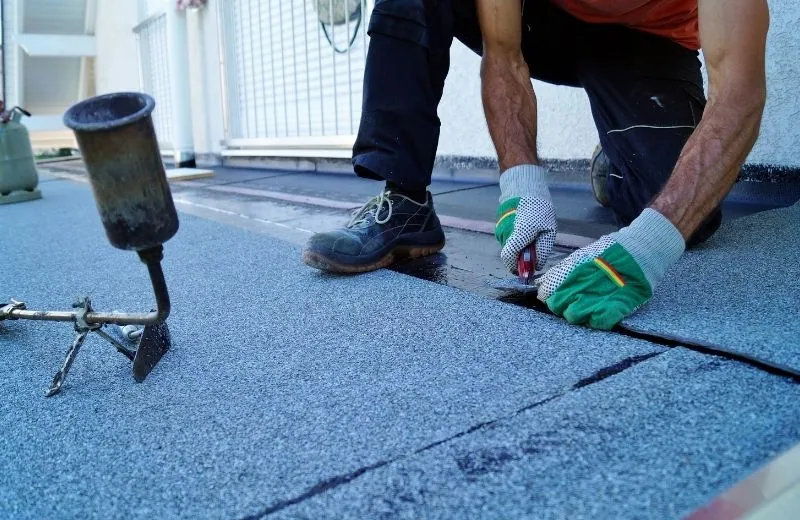
We do full tear-off and new installation of single-ply and modified bitumen roof systems on warehouses, offices, retail centers and industrial buildings, including tapered insulation, new edge metal and flashings.

How we do it
We offer mechanically attached, adhered or ballasted systems designed to ASCE 7 wind uplift, with insulation upgraded to Indiana Energy Conservation Code R-values and permits pulled through BNS or the local jurisdiction.
In Indianapolis
Many 1970s–90s EPDM and BUR roofs around Indianapolis already have two coverings, which means a tear-off is required. White TPO cuts summer cooling loads on big-box roofs in Brownsburg and Whiteland.
Best for
Roofs past their service life, roofs with widespread wet insulation, buildings with two existing coverings, and owners who want a long-term reset.
Request a quote →
Indianapolis Commercial Roofing Systems Commercial Roofing Contractor in Indianapolis, IN project in Indianapolis, IN (5)

Roof Restoration, Coatings & Waterproofing

We apply silicone or acrylic elastomeric coatings and waterproofing over sound existing roofs. This extends service life and adds reflectivity without the cost and disruption of a tear-off.

How we do it
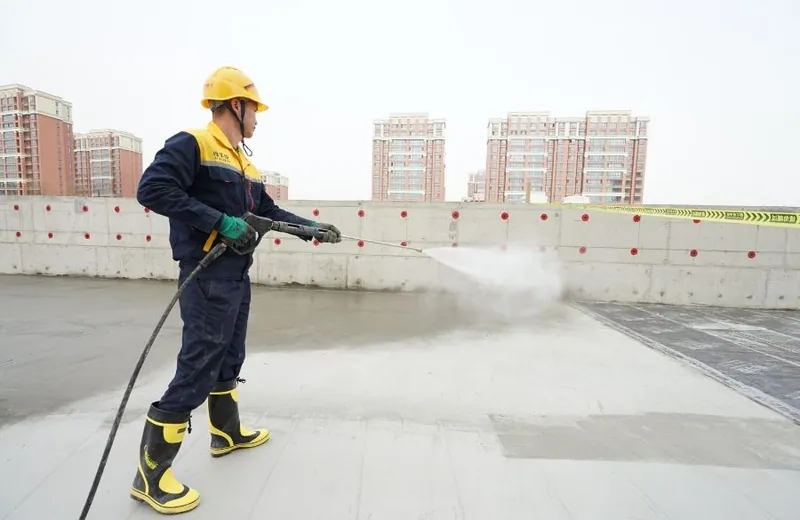
First we survey the roof for moisture and replace any wet insulation. Then we power-wash, repair seams, prime and apply the coating at the specified mil thickness, and check thickness during application.
In Indianapolis
Restoration works well on 1980s–90s metal buildings and aging EPDM in Lawrence, Speedway and Southport, where the deck and insulation are still dry but seams and fasteners are failing.
Best for
Roofs with mostly dry insulation, owners deferring capital replacement, and buildings that would benefit from a reflective surface.
Request a quote →
Indianapolis Commercial Roofing Systems Commercial Roofing Contractor in Indianapolis, IN project in Indianapolis, IN (6)

Metal Roofing: Standing Seam, Steel, Corrugated & Metal Roof Repair

We install, repair and maintain standing seam, steel and corrugated metal roofs, plus all of their flashing, on industrial, warehouse, church and commercial buildings.

How we do it
Our work includes fastener replacement, lap sealing, panel replacement, clip-attached standing seam systems that allow for thermal movement, and steel roof flashing detailed for Indiana's freeze-thaw swings.
In Indianapolis
Pre-engineered metal buildings across Park 100, Mooresville and New Palestine see rust at fasteners and ice backing up at eaves. Standing seam roofs on newer logistics buildings need periodic seam and clip checks.
Best for
Metal building owners with leaking laps or corrosion, new pre-engineered construction, and steep-slope sections that need long-lasting durability.
Request a quote →
Indianapolis Commercial Roofing Systems Commercial Roofing Contractor in Indianapolis, IN project in Indianapolis, IN (7)

Roof Inspection & Preventive Maintenance Plans

We do scheduled inspections, post-storm assessments and ongoing maintenance, and every visit ends with a detailed written report, photos and prioritized recommendations.

How we do it
We check seams, flashings, drains, penetrations, edge metal and the surface condition. Then we clear debris, make minor repairs and give you a budget forecast for capital planning.
In Indianapolis
Spring inspections catch freeze-thaw damage, and fall visits prepare drains and flashings for snow and ice. Insurance adjusters in Indianapolis expect this kind of documentation after hail claims.
Best for
Property management firms, REITs, school districts, churches and multi-site owners who want fewer surprises and a predictable roof budget.
Request a quote →
Indianapolis Commercial Roofing Systems Commercial Roofing Contractor in Indianapolis, IN project in Indianapolis, IN (8)

Ice Dam Removal, Snow Removal & Heat Cable Installation

We remove ice and snow from roofs and gutters, take down ice dams professionally, install roof heat cable and tape, and repair leaks and water damage caused by ice dams.

How we do it
We use controlled snow removal that won't damage the membrane, plus steam and low-impact ice removal. Heat cable runs are designed for gutters, valleys and drains where ice repeatedly forms.
In Indianapolis
Wet snow and ice build up heavy loads on large flat roofs and at parapets around Indianapolis, and gutters freeze solid on metal buildings, which forces meltwater into the building.
Best for
Facilities with repeated winter leaks, heavy snow drifts at parapets, frozen gutters and downspouts, or concerns about structural load.
Request a quote →
Indianapolis Commercial Roofing Systems Commercial Roofing Contractor in Indianapolis, IN work in Indianapolis, IN

Roof Flashing, Drip Edge, Soffit, Fascia & Ventilation

We install and replace perimeter edge metal, drip edge, coping, wall and curb flashing, soffit and fascia, and roof ventilation on commercial and mixed-slope buildings.

How we do it
We use shop-fabricated metal flashing, edge systems rated for wind uplift, and ventilation sized to control condensation in roof assemblies.
In Indianapolis
Derecho winds peel loose edge metal off Indianapolis roofs, and humid summers drive condensation into poorly vented assemblies on churches, schools and mixed-slope buildings.
Best for
Buildings with wind-damaged perimeters, chronic flashing leaks, rotted fascia or condensation problems in the roof assembly.
Request a quote →
Indianapolis Commercial Roofing Systems Commercial Roofing Contractor in Indianapolis, IN project in Indianapolis, IN (2)

Slate, Tile & Copper Roofing

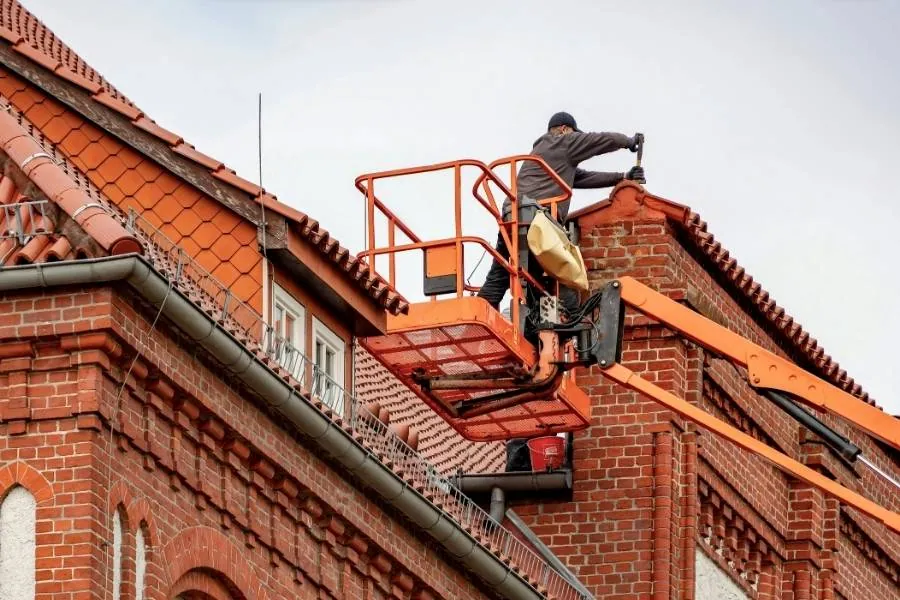
We install and repair slate, tile and copper roofing on institutional and historic buildings, including the steep-slope sections that sit alongside flat roofs.

How we do it
We match materials, hand-form copper flashing and detail the transitions between steep and low-slope sections carefully.
In Indianapolis
Churches, schools and older buildings in historic districts like Lockerbie Square and Old Northside often need materials and visible details that meet Historic Preservation Commission review.
Best for
Churches, institutional campuses and historic commercial buildings that combine premium steep-slope roofs with flat sections.
Request a quote →
Indianapolis Commercial Roofing Systems Commercial Roofing Contractor in Indianapolis, IN project in Indianapolis, IN (3)

Gutter Guards, Skylight Leak Repair & Gutter Ice Removal

We install gutter guards, clear frozen gutters and downspouts, and repair leaking skylights and their curbs.

How we do it
We re-flash skylight curbs, replace failed gaskets and install guards sized for commercial gutters.
In Indianapolis
Fall leaf drop and winter ice clog drainage across tree-lined Broad Ripple, Southport and Zionsville properties.
Best for
Buildings with overflowing gutters, winter ice backup or recurring skylight drips.
Request a quote →
Indianapolis Commercial Roofing Systems Commercial Roofing Contractor in Indianapolis, IN project in Indianapolis, IN (2)
Why local matters

Why Indianapolis Commercial Buildings Need a Specialized Roofing Contractor

Central Indiana's climate, mix of building eras and patchwork of local permit offices combine to wear out commercial roofs in specific, predictable ways. A roofer who understands those local pressures can tell you which repairs actually matter and which ones can wait.

  • A Humid Continental Climate That Works Every Seam

    Indianapolis has a Köppen Dfa climate. Summer highs average in the mid-80s°F, and black EPDM and modified bitumen surfaces regularly pass 150°F. Winter lows sit in the teens, with occasional below-zero snaps. In between come dozens of freeze-thaw cycles each year, and every one of them flexes seams, lap joints and flashing terminations. Annual precipitation runs about 40–44 inches, plus roughly 20–25 inches of snow, and spring downpours can overwhelm undersized drains and scuppers. The metro also sits at the eastern edge of the severe-weather corridor. Golf-ball hail, straight-line winds like the June 2022 derecho, and occasional tornadoes puncture membranes and peel back perimeter edge metal. Summer dew points in the 60s–70s°F add condensation that soaks insulation under older roofs.

  • A Building Stock Spanning a Century

    Commercial roofs across the metro come from very different eras. Pre-WWII brick buildings in the Wholesale District, Mass Ave and Fountain Square still carry built-up roofs with parapets and internal drains. Mid-century industrial corridors on the east and west sides, near the old Allison, Chrysler and Navistar sites, have aging BUR and coal-tar pitch over concrete or gypsum decks. Office parks and strip retail built in the 1970s–90s along Keystone, 86th Street and US-31 are now reaching the end of their first- and second-generation EPDM and mod-bit roofs. The logistics boom since the 2000s added huge TPO and standing seam roofs in Plainfield, Brownsburg, Whitestown and Whiteland. New mixed-use buildings in Carmel and Fishers bring rooftop amenity decks and lots of HVAC penetrations.

  • Permits, Codes and a Contractor Market You Have to Vet

    Indiana adopts the IBC with state amendments, and energy compliance follows the Indiana Energy Conservation Code, which is based on ASHRAE 90.1. As a result, a full reroof usually has to bring insulation up to current R-values, and that can change tapered insulation design and edge heights. In Marion County, permits come from the Department of Business and Neighborhood Services. Larger jobs may also need a state Construction Design Release. Carmel, Fishers, Greenwood, Plainfield and the other surrounding cities each run their own permits and inspections. The IBC allows no more than two roof coverings before a tear-off is required. Historic districts such as Lockerbie Square and Chatham Arch may restrict visible materials. Indiana has no statewide roofing license, so out-of-state storm chasers show up after every big hail event. That makes it important to check a contractor's bonding and insurance yourself.

  • A Growing, Cost-Conscious Commercial Market

    The metro has more than 2 million people, and Hamilton and Hendricks counties are leading the growth. The economy runs on logistics (including the FedEx hub at the airport), life sciences, healthcare, motorsports and manufacturing. Our customers include REITs, industrial landlords, school districts, churches, medical groups, HOAs and small business owners. They tend to want the same things: clear capital-reserve budgets, preventive maintenance and roof systems that protect buildings running 24/7 without disrupting the work inside.

Indianapolis Commercial Roofing Systems Commercial Roofing Contractor in Indianapolis, IN project in Indianapolis, IN (3)
Common problems

Common Commercial Roof Problems in Indianapolis

Most commercial roof failures we see around Indianapolis come from a short list of causes, and nearly all of them trace back to local weather and the age of the building stock. Here's what to watch for, how serious each problem is, and how we usually fix it.

  • Active Leaks Threatening Inventory or Equipment

    Water is coming through the roof assembly into occupied space, onto racking, server rooms or production equipment. It usually starts at a failed seam, penetration or drain and travels along the deck before it drips, so the drip is often far from the actual entry point.

  • Hail and Wind Damage to TPO, EPDM and Edge Metal

    Hail fractures and bruises single-ply membranes, crushes insulation boards and dents metal panels. High winds lift perimeter edge metal, peel back membrane at corners and blow off coping, which opens the roof to water intrusion and further uplift.

  • Ponding Water and Clogged Internal Drains

    Ponding is water that stays on a low-slope roof more than 48 hours after rain. It speeds up membrane aging, adds structural load, feeds vegetation and turns any small defect into a constant leak.

  • Failing EPDM Seams and Shrinking Flashings

    Older EPDM roofs rely on seam tape or adhesive that dries out and lets go over time. As the rubber ages it shrinks and pulls away from walls, curbs and penetrations, a condition often called bridging or tenting at the flashings.

  • Rusting Fasteners and Leaking Seams on Metal Buildings

    Exposed-fastener and older standing seam metal roofs develop rust at screws, laps and panel ends. Neoprene washers break down, and panels move with thermal expansion, which elongates holes and lets water in at every fastener line.

  • Wet Insulation Under Aging Built-Up Roofs

    Moisture trapped in the insulation under BUR, coal-tar pitch or older single-ply roofs destroys R-value, adds weight and quietly corrodes steel decks or rots wood decks. It's the biggest factor in deciding whether a roof can be restored or recovered, or has to be torn off.

  • Leaks at Rooftop HVAC Units and Penetrations

    Every curb, pipe, conduit and equipment support is a hole in the roof. Failed pitch pans, cracked boots and flashing that service technicians have disturbed are some of the most frequent sources of commercial leaks.

Book an inspection

Active Leaks Threatening Inventory or Equipment

Emergency

Water is coming through the roof assembly into occupied space, onto racking, server rooms or production equipment. It usually starts at a failed seam, penetration or drain and travels along the deck before it drips, so the drip is often far from the actual entry point.

Why it's common here: Spring and early-summer storms in central Indiana can dump inches of rain in an hour. Leaks also show up mid-winter, when ice dams at parapets and gutters force meltwater under flashings. Because large flat roofs hide their damage, owners usually find out from a stained ceiling tile, often days after a storm has already let water in. Warehouses along the I-70 and I-65 corridors run 24/7, so a single leak over stored goods can cost more than the repair itself.

Warning signs

  • Stained or sagging ceiling tiles
  • Drips onto racking, floors or equipment
  • Musty odor in upper floors or mezzanines
  • Water trails on walls near roof drains
  • Tripped electrical or wet light fixtures
  • Ice buildup at parapets with interior drips

Local patterns: We see these most after spring hail and wind events and during late-winter thaws. They hit hardest on warehouses in Plainfield and Whiteland, on 1980s strip retail on Washington Street in Lawrence and Cumberland, and in downtown buildings where internal drains run through finished space.

Our solution

We do emergency tarping or temporary patching to stop the water, then leak detection to find the true entry point, followed by a permanent seam, flashing or drain repair with photo documentation.

Hail and Wind Damage to TPO, EPDM and Edge Metal

Serious

Hail fractures and bruises single-ply membranes, crushes insulation boards and dents metal panels. High winds lift perimeter edge metal, peel back membrane at corners and blow off coping, which opens the roof to water intrusion and further uplift.

Why it's common here: Central Indiana sits on the eastern edge of the active severe-weather corridor. Golf-ball-size hail hits the metro in some years, and derechos like the June 2022 event push straight-line winds across hundreds of buildings at once. Aged, UV-brittle EPDM and older TPO crack much more easily under hail than new membrane does. Hail damage on a flat roof is rarely visible from the ground, so it often goes unreported until the claim window is closing.

Warning signs

  • Star-shaped cracks or bruises in membrane
  • Loose, bent or missing perimeter edge metal
  • Lifted or billowing membrane at corners
  • Dented metal panels, vents or HVAC fins
  • Granule loss on mod-bit cap sheet
  • Debris punctures near rooftop units

Local patterns: Damage shows up across big-box roofs in Park 100 and Brownsburg/Whitestown, office parks at Keystone at the Crossing and Castleton, and exposed industrial sites near Speedway. Clusters follow named storm tracks from spring through midsummer.

Our solution

We do a documented post-storm inspection with core samples and photos for your insurance adjuster, then targeted repair, edge-metal re-securement or replacement of damaged sections.

Ponding Water and Clogged Internal Drains

Moderate

Ponding is water that stays on a low-slope roof more than 48 hours after rain. It speeds up membrane aging, adds structural load, feeds vegetation and turns any small defect into a constant leak.

Why it's common here: Indianapolis gets about 40–44 inches of precipitation a year, with heavy convective downpours in spring. Many older buildings have deflected decks, settled insulation or internal drains sized for different codes. Cottonwood and maple debris from nearby trees clogs strainers, and winter ice blocks scuppers. Every freeze-thaw cycle then works standing water deeper into seams.

Warning signs

  • Water standing 48+ hours after rain
  • Dirt rings or algae on the membrane
  • Missing or clogged drain strainers
  • Sagging deck areas between joists
  • Overflowing scuppers or downspouts
  • Vegetation growing in roof low spots

Local patterns: Common on Mile Square and Fountain Square buildings with parapets and internal drains, on mid-century plants on the east side, and on 1970s–90s strip centers along US-31 in Greenwood and in Southport, where decks have deflected over decades.

Our solution

We clear and rebuild drains, add tapered insulation crickets or saddles, and correct deck deflection during repair or replacement so water reaches the drains.

Failing EPDM Seams and Shrinking Flashings

Moderate

Older EPDM roofs rely on seam tape or adhesive that dries out and lets go over time. As the rubber ages it shrinks and pulls away from walls, curbs and penetrations, a condition often called bridging or tenting at the flashings.

Why it's common here: Indianapolis's summer heat and UV exposure age black EPDM quickly, and the cold winters make it stiff and brittle. Dozens of freeze-thaw cycles each year flex the seams again and again. Many 1970s–90s office parks and retail centers still carry their original EPDM, which is now well past its expected service life.

Warning signs

  • Open or fishmouthed seam laps
  • Membrane pulled taut at wall bases
  • Cracked or brittle flashing at curbs
  • Loose termination bars
  • Patches layered on old patches
  • Chalky, crazed membrane surface

Local patterns: Very common on suburban office buildings along 86th Street and Keystone, strip retail on Washington Street in Lawrence and Cumberland, and older church and school low-slope sections across Marion County.

Our solution

We re-seam with new primer and tape, re-flash curbs and walls, or apply an elastomeric coating restoration if the membrane and insulation are still sound.

Rusting Fasteners and Leaking Seams on Metal Buildings

Serious

Exposed-fastener and older standing seam metal roofs develop rust at screws, laps and panel ends. Neoprene washers break down, and panels move with thermal expansion, which elongates holes and lets water in at every fastener line.

Why it's common here: Metal roofs in central Indiana swing from summer heat to below-zero cold, so panels expand and contract dramatically. Humid summers and condensation speed up corrosion, and ice in gutters and at eaves backs water up into laps. Many pre-engineered metal buildings from the 1980s–90s are now showing this all at once.

Warning signs

  • Orange rust at screws and laps
  • Backed-out or loose fasteners
  • Leaks along panel end laps
  • Ice buildup in gutters and at eaves
  • Corroded or split gutters
  • Drips that come and go with temperature

Local patterns: Typical on light-industrial buildings near Speedway and Park 100, ag and equipment buildings toward Mooresville and New Palestine, and older warehouse stock in Lawrence near Fort Harrison.

Our solution

We replace fasteners, seal laps, re-flash panel ends and apply a silicone or acrylic restoration system. Where corrosion has gone too far, we re-panel with standing seam metal.

Wet Insulation Under Aging Built-Up Roofs

Serious

Moisture trapped in the insulation under BUR, coal-tar pitch or older single-ply roofs destroys R-value, adds weight and quietly corrodes steel decks or rots wood decks. It's the biggest factor in deciding whether a roof can be restored or recovered, or has to be torn off.

Why it's common here: Indianapolis dew points in the 60s–70s°F drive condensation into roof assemblies, and small leaks that go unnoticed for years soak boards from below the membrane. Many older roofs already have two coverings, so code won't allow a third overlay. Older built-up roofs in the metro often hide decades of moisture.

Warning signs

  • Spongy or soft areas underfoot
  • Blisters in built-up or mod-bit surfaces
  • Rust staining on deck underside
  • Rising energy bills on upper floors
  • Persistent leaks with no visible entry
  • Gravel displaced over swollen areas

Local patterns: Most common on pre-WWII buildings in the Wholesale District and Mass Ave/Chatham Arch, mid-century industrial plants on the east and west sides, and 1970s schools and churches with BUR sections.

Our solution

We use infrared or core-cut moisture surveys to map the wet areas, replace saturated insulation, and recommend restoration, recover or tear-off depending on how much of the roof is wet.

Leaks at Rooftop HVAC Units and Penetrations

Minor

Every curb, pipe, conduit and equipment support is a hole in the roof. Failed pitch pans, cracked boots and flashing that service technicians have disturbed are some of the most frequent sources of commercial leaks.

Why it's common here: Large Indianapolis facilities often have dozens of rooftop units, and mechanical crews walking the roof year-round puncture and scuff the membrane. Thermal movement between hot summer days and freezing nights breaks sealant at penetrations, and ice dams form around curbs in winter.

Warning signs

  • Dried, cracked sealant at pitch pans
  • Puncture marks along service paths
  • Leaks below rooftop units
  • Loose or missing curb flashing
  • Abandoned penetrations patched over
  • Condensate lines draining onto membrane

Local patterns: Very common on new mixed-use buildings in Carmel City Center and the Fishers Nickel Plate District, medical buildings across the north side, and retail at Castleton and Broad Ripple with dense rooftop equipment.

Our solution

We re-flash curbs and penetrations, replace pitch pans with prefabricated boots, add walkway pads along service routes and coordinate with your mechanical contractor.

Our process

How Our Commercial Roofing Process Works

Every project, from a single repair to a phased warehouse reroof, follows the same documented process. That way owners, tenants and adjusters always know what's happening and when.

  1. Initial Call & Site Assessment

    Usually within a few business days. Active leaks get priority response.
    • We review the building's history, past leaks and any warranty paperwork
    • Walk the roof and the interior leak areas
    • Check drains, flashings, penetrations and edge metal
    • Note access, safety and tenant operations constraints

    Local note: After named hail or wind events we prioritize documented inspections so owners can meet insurance timelines.

  2. Detailed Inspection Report & Diagnostics

    Report typically delivered within about a week of the site visit
    • Provide photo documentation of every deficiency
    • Run core cuts or moisture survey to check insulation condition
    • Count existing roof layers against the IBC two-covering limit
    • Prioritize repairs as urgent, near-term or monitor

    Local note: Wet insulation and existing layer count decide whether restoration, recover or tear-off is even allowed.

  3. Clear Proposal & Options

    Proposals follow the report; larger scopes may take longer
    • Lay out side-by-side repair, restoration and replacement options
    • Provide line-item pricing with no vague allowances
    • Recommend timing that fits your capital budget
    • Review financing options for larger projects

    Local note: We factor in Indiana Energy Conservation Code insulation upgrades and the local permit requirements up front.

  4. Scheduling, Permits & Installation

    Repairs: hours to days. Replacements: days to several weeks, phased as needed
    • Pull permits through BNS or the relevant city
    • Build the schedule around tenant hours and 24/7 operations
    • Coordinate with mechanical contractors on rooftop units
    • Control odor, noise and debris; protect interiors
    • Make sure the building is watertight every night

    Local note: Adhesive-dependent work is planned for spring through fall. Winter jobs use cold-weather methods or temporary dry-in.

  5. Final Walkthrough, Documentation & Maintenance

    At completion, then on an ongoing maintenance schedule
    • Joint final inspection with your team
    • Closeout photos, warranty documents and as-built notes
    • Pass municipal inspection where required
    • Set up a preventive maintenance plan for spring and fall

    Local note: Spring and fall visits catch freeze-thaw and storm damage before it turns into interior leaks.

20-MileService Radius Around Indianapolis
18Communities Served
TPO · EPDM · Mod-Bit · MetalCommercial Roof Systems Installed and Repaired
Bonded & InsuredCommercial Roofing Contractor
About us

Local, Bonded and Insured Commercial Roofing

We know the local building stock: tar-and-gravel roofs downtown, aging 1980s EPDM along Keystone and Washington Street, and million-square-foot TPO logistics roofs on the I-70 airport corridor. Our crews work across Marion County, including Beech Grove and Lawrence, and out to Plainfield, Greenwood and Carmel. Property managers get detailed inspection reports, preventive maintenance plans and project schedules built around tenant operations. When an active leak is threatening equipment or stock, we respond fast.

Property managers and facility teams across Indianapolis rely on us for straight answers, documented inspections and work scheduled around their tenants, and for fast help when a leak shows up at the worst possible time.

Certifications & memberships

  • Bonded
  • Insured
  • Financing available
Why choose us

Why Indianapolis Property Managers Choose Us

We Know Indianapolis Roofs, Era by Era

A tar-and-gravel roof on a Mass Ave loft fails differently than a 1988 EPDM roof on a Castleton office or a 600,000-square-foot TPO roof in Plainfield. We know the building stock across the metro, from Mile Square parapets with internal drains to the rust-prone metal buildings around Park 100. That local knowledge means faster diagnosis, more accurate scopes and recommendations that hold up against Indiana's freeze-thaw cycles, spring hail and summer heat. It also means fewer change orders, because we've already seen what's usually hiding under the membrane.

Bonded and Insured, in a State With No Roofing License

Indiana has no statewide roofing contractor license, so credentials vary a lot from one contractor to the next. After major hail storms, out-of-state crews show up, collect deposits and leave before warranty problems appear. We're a bonded and insured commercial roofing contractor, and we'll provide documentation to your property manager, risk department or landlord on request. Our accountability is local, so we're here next season too, not just this storm cycle.

Commercial-Only Focus on Low-Slope and Metal Systems

We specialize in commercial work: warehouses, office buildings, retail centers and industrial facilities. We install and repair TPO, EPDM and modified bitumen flat roofs, apply restoration coatings, and maintain standing seam metal roofs. That focus shows in the details that usually cause leaks: seam welds, curb flashings, drain assemblies, edge metal and the transitions between different roof systems. You get a crew that works on commercial roofs every day, not a residential shingle crew trying out a flat roof.

Reports Property Managers Can Actually Use

Every inspection ends with a detailed written report: photos, roof plan markups, prioritized deficiencies and budget-level pricing. That gives you something to bring to owners, boards or a REIT asset manager, and it's the kind of documentation insurance adjusters expect after a hail or wind claim. For multi-building portfolios, consistent reporting makes it easier to compare roofs and plan capital reserves year over year without guessing.

Schedules Built Around Your Tenants

Your building doesn't stop for a roof project. We phase work around distribution centers running 24/7, retail hours, medical appointments, school calendars and church services. We plan for odor control near air intakes, noisy work during off-hours when it's needed, and a watertight building at the end of every shift. Our project schedules are shared in advance so tenants aren't surprised by a crane in the parking lot or a kettle by the loading dock.

Fast Response When Water Is Coming In

An active leak over inventory, servers or production equipment can cost more in one afternoon than the repair itself. We respond quickly to active leaks in Indianapolis buildings with emergency tarping, temporary patches and drain clearing. That includes winter, when ice dams and thaws push water through parapets and gutters. Once the building is stabilized, we come back with a permanent fix and documentation.

Honest Options and Financing for Bigger Projects

Midwestern owners want straight answers. We'll tell you when a $1,500 repair will buy you five more years, when a coating makes sense, and when wet insulation or two existing layers make tear-off the only real option. Proposals are itemized and easy to compare. For larger replacements or restorations, financing is available, so you can protect the building now without wrecking this year's capital budget.

Service areas

Commercial Roofing Service Areas Around Indianapolis

We serve commercial, industrial and institutional buildings within a 20-mile radius of Indianapolis, from downtown loft conversions to the logistics corridors along I-70 and I-65. Here's how our coverage breaks down across the metro.

We serve buildings within roughly 20 miles of Indianapolis. If your facility is near the edge of that radius, contact us and we'll confirm coverage.

Indianapolis & Marion County

  • IndianapolisFrom Mile Square built-up roofs to Keystone and Castleton office parks
  • Beech GroveOlder industrial and rail-adjacent buildings plus neighborhood retail
  • SpeedwayLight industrial and motorsports-related facilities near the old Allison sites
  • LawrenceFort Harrison area offices and Washington Street strip retail
  • SouthportSouth-side retail centers and small commercial properties
  • CumberlandAging east-side strip centers with 1980s EPDM roofs

West & Southwest: Hendricks and Morgan Counties

  • PlainfieldHuge TPO and metal logistics roofs on the I-70 airport corridor
  • AvonFast-growing retail and medical office development
  • BrownsburgDistribution centers and light industrial near Whitestown
  • CambyIndustrial and commercial properties along the SR-67 area
  • MooresvillePre-engineered metal buildings and small-town commercial

North, East & South Suburbs

  • CarmelCity Center and Midtown mixed-use with heavy rooftop equipment
  • FishersNickel Plate District mixed-use and office parks
  • ZionsvillePremium commercial and new mixed-use construction
  • McCordsville & New PalestineGrowing northeast and east-side commercial and metal buildings
  • GreenwoodUS-31 retail and I-65 corridor warehouses
  • WhitelandLarge logistics roofs on the I-65 south corridor
Pricing guide

Commercial Roofing Costs in Indianapolis

Commercial roofing prices around Indianapolis vary widely, from a few hundred dollars for a seam repair to six or seven figures for a warehouse tear-off. These are the factors that drive your number and some realistic local ranges.

Primary Factor

Roof Size and Access

Square footage drives material and labor, but per-square-foot cost usually drops on very large roofs like the logistics buildings in Plainfield or Whiteland. Access matters too. Downtown buildings with tight alleys, high parapets or no crane staging cost more to work on than a single-story strip center with an open parking lot. Roof height, fall protection needs and material hoisting are all built into the price.

Primary Factor

Existing Roof Condition and Wet Insulation

This factor alone can move a project from a $4-per-square-foot coating to a $12-per-square-foot tear-off. Saturated insulation has to come out before restoration or recover is possible. If the roof already has two coverings, the IBC requires a full tear-off. Deck damage from long-term moisture, which is common under older built-up roofs, adds repair costs that only show up once the old roof is opened.

Primary Factor

Roof System Selection

TPO, EPDM, modified bitumen, coatings and standing seam metal all come with different material costs, labor intensity and expected lifespans. Thicker membranes, fully adhered attachment and higher wind ratings cost more upfront but hold up better against Indiana hail and derecho winds. White reflective surfaces may also lower summer cooling costs on large buildings.

Secondary Factor

Code, Insulation and Permit Requirements

A full reroof usually has to meet current Indiana Energy Conservation Code insulation levels. That can mean thicker tapered insulation, taller edge metal and raised curbs. Permit fees and inspections vary between BNS in Marion County and suburban cities like Carmel or Greenwood. Historic district review adds time and can limit material choices.

Secondary Factor

Penetrations, Drains and Scheduling

Each rooftop unit, pipe and skylight needs its own flashing details. Undersized drains may need to be rebuilt. Working nights or weekends around tenants, phasing a 24/7 warehouse, or fitting adhesive-dependent work into Indiana's shorter warm season can all affect labor costs.

ProjectScopeTypical range
Seam, flashing or storm-damage leak repairStrip retail or small office, single leak area, EPDM or TPO, documented repair$650 – $3,500
Preventive maintenance programAbout 50,000 sq ft low-slope roof, spring and fall inspections with reports and minor repairs$1,500 – $4,500 per year
Silicone coating restorationAbout 40,000 sq ft aging metal or EPDM roof with mostly dry insulation; includes seam prep and limited wet-area replacement$110,000 – $200,000
Full tear-off and new TPO roofAbout 20,000 sq ft office or retail building, two existing layers, new tapered insulation to current code, new edge metal$170,000 – $280,000

Financing is available for larger repair, restoration and replacement projects, so you can address problems now and spread the cost across budget cycles.

Restoring a roof that's still sound now can postpone a full replacement by years. Catching wet insulation early can also keep a coating project from turning into a tear-off, so regular maintenance is often the cheapest roofing you'll pay for.

FAQ

Commercial Roofing FAQs for Indianapolis Property Owners

How much does a commercial roof replacement cost in Indianapolis?

Most full commercial tear-offs with new TPO or EPDM in the Indianapolis area land somewhere around $8 to $14 per square foot, depending on insulation requirements, how much of the existing roof is wet, access and the number of penetrations. A 20,000-square-foot office or retail roof often runs $170,000 to $280,000. Coating restorations on sound roofs usually cost much less, roughly $3 to $5 per square foot. Very large warehouses often get better per-square-foot pricing. We'll give you itemized options after an inspection so you can compare repair, restoration and replacement side by side.

How long does a commercial reroof take, and will it disrupt our tenants?

Repairs usually take a few hours to a couple of days. A full replacement on a typical 15,000–30,000-square-foot building often takes one to three weeks, depending on weather and how complex the roof is. Large warehouse roofs are phased over longer periods. We plan schedules around operating hours, keep the building watertight every night, manage odor near air intakes and coordinate with your mechanical contractor on rooftop units. Most tenants keep operating normally throughout the project.

Do I need a permit for commercial roof work in Indianapolis?

Usually, yes. In Marion County, commercial roof replacement and any structural deck work typically need a permit from the Department of Business and Neighborhood Services, and larger projects may also need a state Construction Design Release. Suburbs like Carmel, Fishers, Greenwood, Plainfield and Avon run their own permit offices. A full reroof generally has to meet current Indiana Energy Conservation Code insulation levels, and buildings in historic districts may need Historic Preservation Commission review. We handle permitting as part of the project.

Can you coat or recover our roof instead of tearing it off?

Often, yes, as long as the insulation is mostly dry and the roof doesn't already have two coverings. The IBC limits roofs to two layers before tear-off is required, and coating over wet insulation just traps the moisture. We use core cuts or moisture surveys to see what's actually under the membrane. Silicone and acrylic coatings work well on aging metal buildings and EPDM that's still structurally sound, and they cost far less than replacement.

When should we call about a roof problem instead of waiting?

Call right away if water is coming inside, if edge metal or membrane has lifted after a wind event, or if a hailstorm has passed over your building. Flat roof damage is rarely visible from the ground, and insurance claims have deadlines. You should also schedule an inspection if you see ponding that lasts more than 48 hours, soft spots underfoot, rust at fasteners or ice building up at parapets. A small Indianapolis roof problem can become a big one after just a few freeze-thaw cycles.

How can we prevent leaks and extend our roof's life?

Get inspected twice a year: in spring to catch freeze-thaw and storm damage, and in fall to clear drains and check flashings before snow and ice arrive. Keep drains and scuppers free of debris, limit foot traffic to walkway pads, and have us inspect after HVAC service and after every significant hail or wind event. Fixing small seam and flashing problems early keeps water out of the insulation, and dry insulation is what keeps restoration an option later.

Can you do commercial roof repairs in winter?

Yes. Many emergency repairs, ice dam removals, snow removals and temporary dry-ins happen in the middle of an Indianapolis winter. Some adhesive-dependent and coating work needs warmer temperatures, so major replacements are usually scheduled from spring through fall. Winter replacements are possible with cold-weather methods or mechanically attached systems. When a leak shows up in January, we stabilize it right away and schedule the permanent fix for when conditions allow it to last.

Will you help document hail or wind damage for our insurance claim?

Yes. After hail or wind events we provide detailed inspection reports with photos, roof plan markups, core samples where they're needed, and a clear description of the damage, which is the kind of documentation adjusters in Indiana expect. We can also meet your adjuster on the roof. Because we're a local, bonded and insured contractor, you won't be stuck chasing an out-of-state storm crew if questions come up after the claim closes.

Visit us

Serving Indianapolis, IN & nearby

916 Harrison St, Indianapolis, IN, 46202

(317) 593-8417

Mon-Sun: 7:00 AM - 7:00 PM

Get driving directions
Indianapolis Commercial Roofing Systems Commercial Roofing Contractor in Indianapolis, IN project in Indianapolis, IN (6)
Get in touch

Get a Clear Picture of Your Roof Before the Next Storm

Whether it's an active leak over inventory, an aging EPDM roof you've been nursing along, or a hail claim you need documented, we'll inspect it, explain your options and give you a plan that fits your budget.

  • Detailed inspection report with photos and prioritized repairs
  • Side-by-side repair, restoration and replacement options
  • Itemized pricing that's easy to compare
  • Project schedules built around tenant operations
  • Bonded and insured commercial crews
  • Financing available for larger projects
  • Preventive maintenance plans for spring and fall

Serving commercial buildings within 20 miles of Indianapolis, including Beech Grove, Lawrence, Speedway, Plainfield, Greenwood, Carmel and Fishers.

Water coming in right now? Call us. We respond quickly to active leaks that threaten inventory, equipment or occupants, including during winter thaws and after storms.

Request your free estimate

No obligation. Fast, honest quotes.

🔒 Your information is never shared.

Call nowFree estimate